
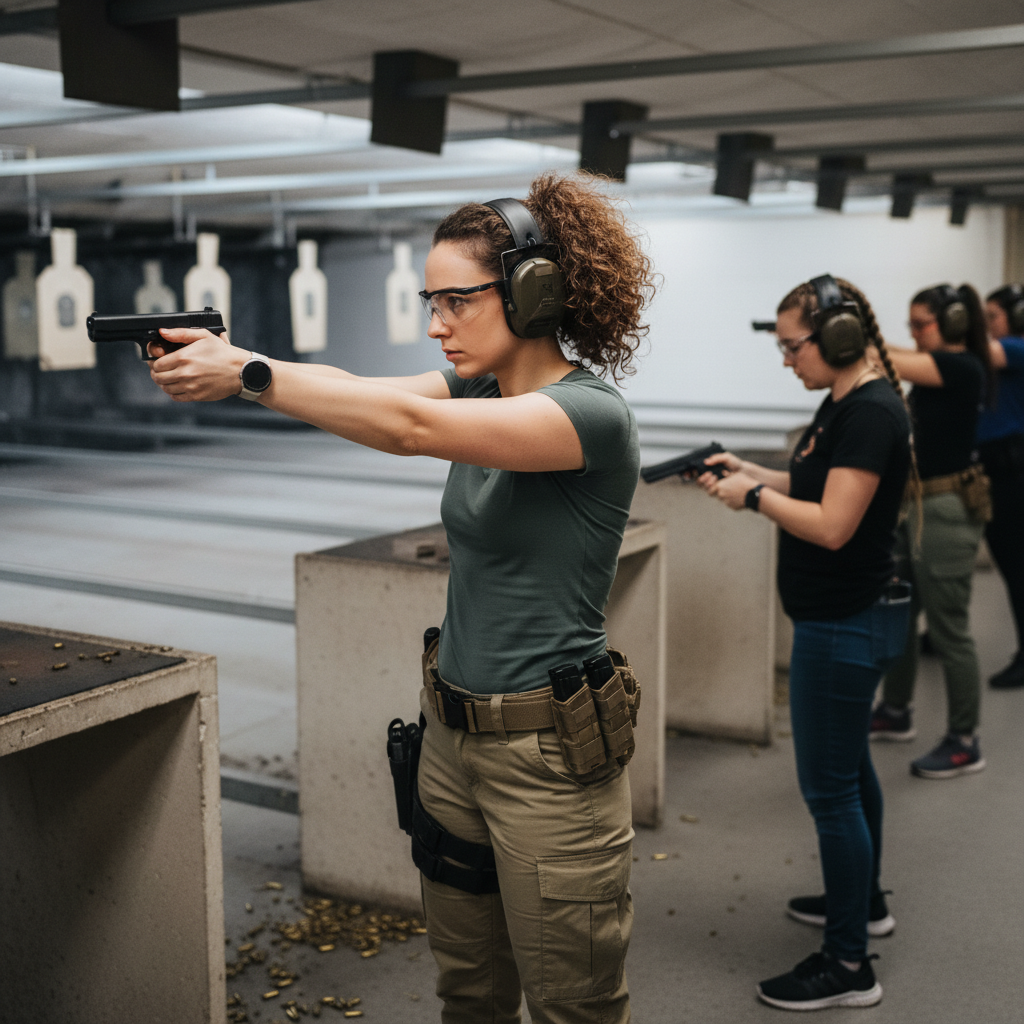
The landscape of shooting sports has transformed dramatically over the past decade, with women emerging as one of the fastest-growing demographics in competitive shooting. From precision rifle competitions to tactical pistol matches, female shooters are not just participating—they're dominating podiums and redefining what excellence looks like in the shooting sports arena.
The Numbers Tell the Story
Recent industry data reveals that women now comprise nearly 40% of all shooting sports participants, representing a 200% increase from just fifteen years ago. This growth spans every discipline, from Olympic-style precision shooting to practical tactical competitions like 3-Gun and Precision Rifle Series (PRS) matches.
The National Rifle Association reports that women's participation in competitive shooting has grown consistently year over year, with many competitions now featuring dedicated women's divisions due to increased enrollment. This isn't just a trend—it's a fundamental shift in the sport's demographics.
Breaking Down Traditional Barriers
Several factors have contributed to this surge in female participation. First, the shooting sports community has become increasingly welcoming and supportive of new participants regardless of gender. Local clubs and training facilities now actively promote inclusive environments where skill development takes precedence over outdated stereotypes.
Equipment manufacturers have also responded to this growing market by developing gear specifically designed for female shooters. From properly fitted stocks and grips to clothing and accessories, the industry has recognized that one-size-fits-all approaches don't serve all shooters effectively.
Mentorship and Training Programs
Organizations like A Girl & A Gun Women's Shooting League and Well Armed Woman have created structured pathways for women to enter the sport safely and confidently. These programs emphasize:
- Comprehensive safety training and firearm handling fundamentals
- Peer-to-peer mentorship from experienced female shooters
- Progressive skill development in supportive environments
- Competition preparation and match strategies
Elite Female Competitors Leading the Way
Professional female shooters continue to set new performance standards across multiple disciplines. Competitors like Lena Miculek in 3-Gun, Julie Golob in action shooting, and Cheyenne Dalton in precision rifle have demonstrated that technical shooting skills transcend gender boundaries.
These athletes haven't just achieved success—they've become ambassadors for the sport, inspiring the next generation of female shooters through social media, training clinics, and competition appearances.
Precision and Consistency: The Great Equalizer
Shooting sports represent one of the few athletic disciplines where physical strength differences between men and women become largely irrelevant. Success depends on mental discipline, technical precision, and consistent practice—attributes that have no gender bias.
This reality has created opportunities for women to compete on truly level playing fields. In precision rifle competitions, for example, the most successful shooters are those who master fundamentals like breathing control, trigger technique, and wind reading—skills that any dedicated competitor can develop.
The Role of Quality Ammunition
Consistent performance demands consistent ammunition. Female competitive shooters, like their male counterparts, require ammunition that delivers shot-to-shot precision and reliability. Whether competing in 6.5 Creedmoor precision matches or training with 9mm for pistol competitions, ammunition consistency directly impacts performance outcomes.
Many female competitors have discovered that match-grade ammunition isn't just about winning—it's about building confidence through predictable performance. When shooters know their ammunition will perform consistently, they can focus entirely on perfecting their technique.
Youth Development and Future Growth
Perhaps the most promising aspect of women's growth in shooting sports is the impact on youth participation. Young women now have visible role models and clear pathways into competitive shooting. High school and collegiate shooting programs report increased female enrollment, suggesting this growth trend will continue.
4-H Shooting Sports and Scholastic Clay Target Program have both seen dramatic increases in female participation, creating pipelines for future competitive shooters. These programs emphasize safety, skill development, and sportsmanship—values that resonate strongly with female participants and their families.
Economic Impact and Industry Response
The shooting industry has recognized the economic significance of female participation. Women now represent a substantial portion of ammunition sales, firearm purchases, and training expenditures. This economic influence has driven innovation in product development and marketing approaches.
Retailers and manufacturers increasingly focus on creating welcoming environments and products that serve all shooters effectively. From range design to product packaging, the industry continues evolving to serve its expanding customer base.
Looking Forward
Women's participation in shooting sports shows no signs of slowing. As more female competitors achieve success at elite levels, they inspire others to pursue the sport. This creates a positive feedback loop that strengthens the entire shooting sports community.
The future of competitive shooting will be shaped by this demographic shift. More diverse participation brings fresh perspectives, increased innovation, and stronger growth for the sport overall. For ammunition manufacturers and the broader industry, this represents both opportunity and responsibility—to continue serving all shooters with the quality products and support they deserve.